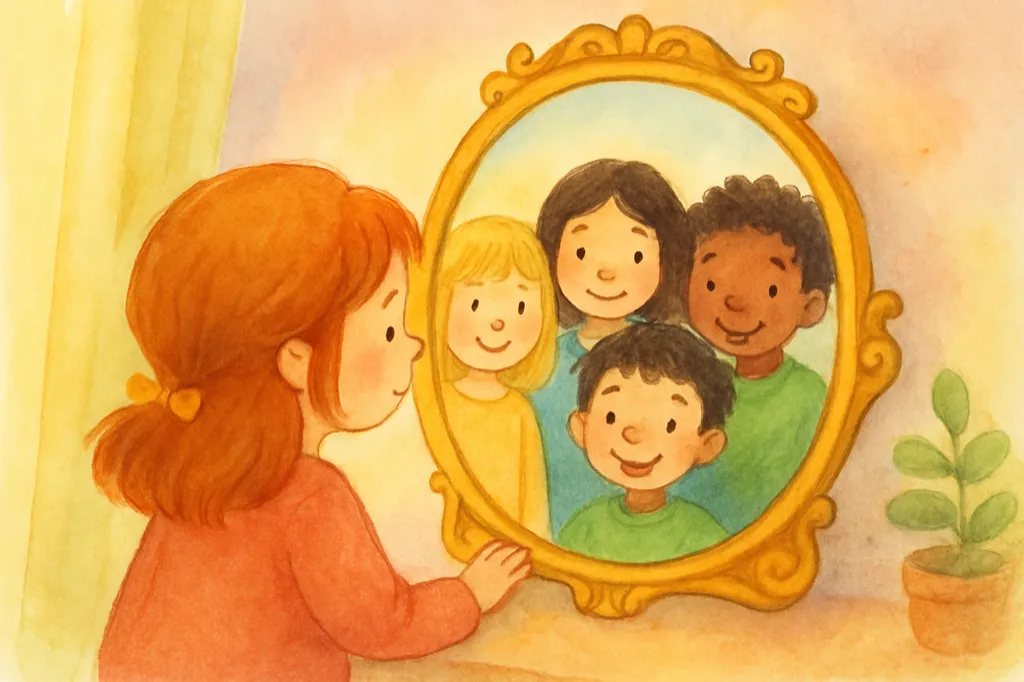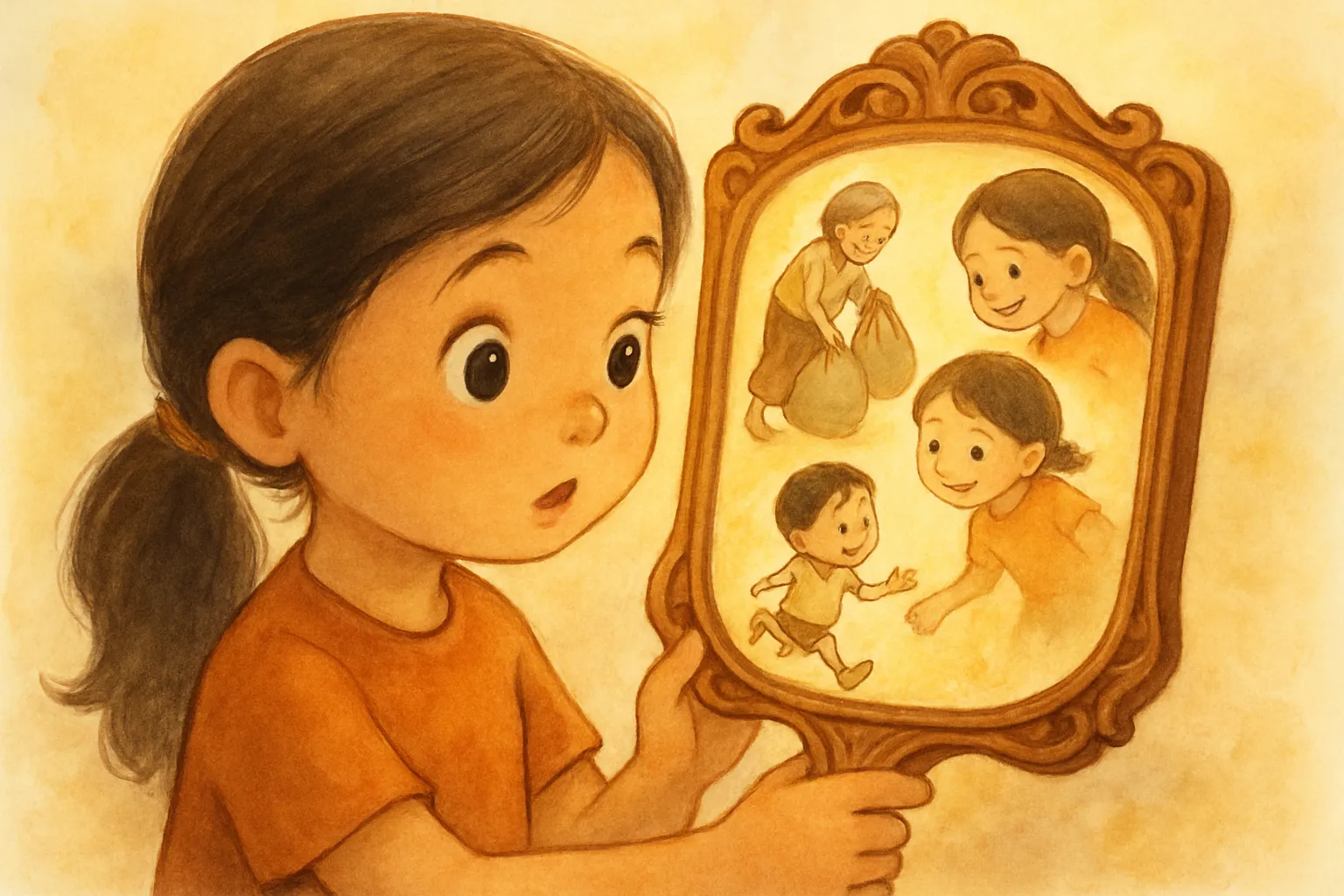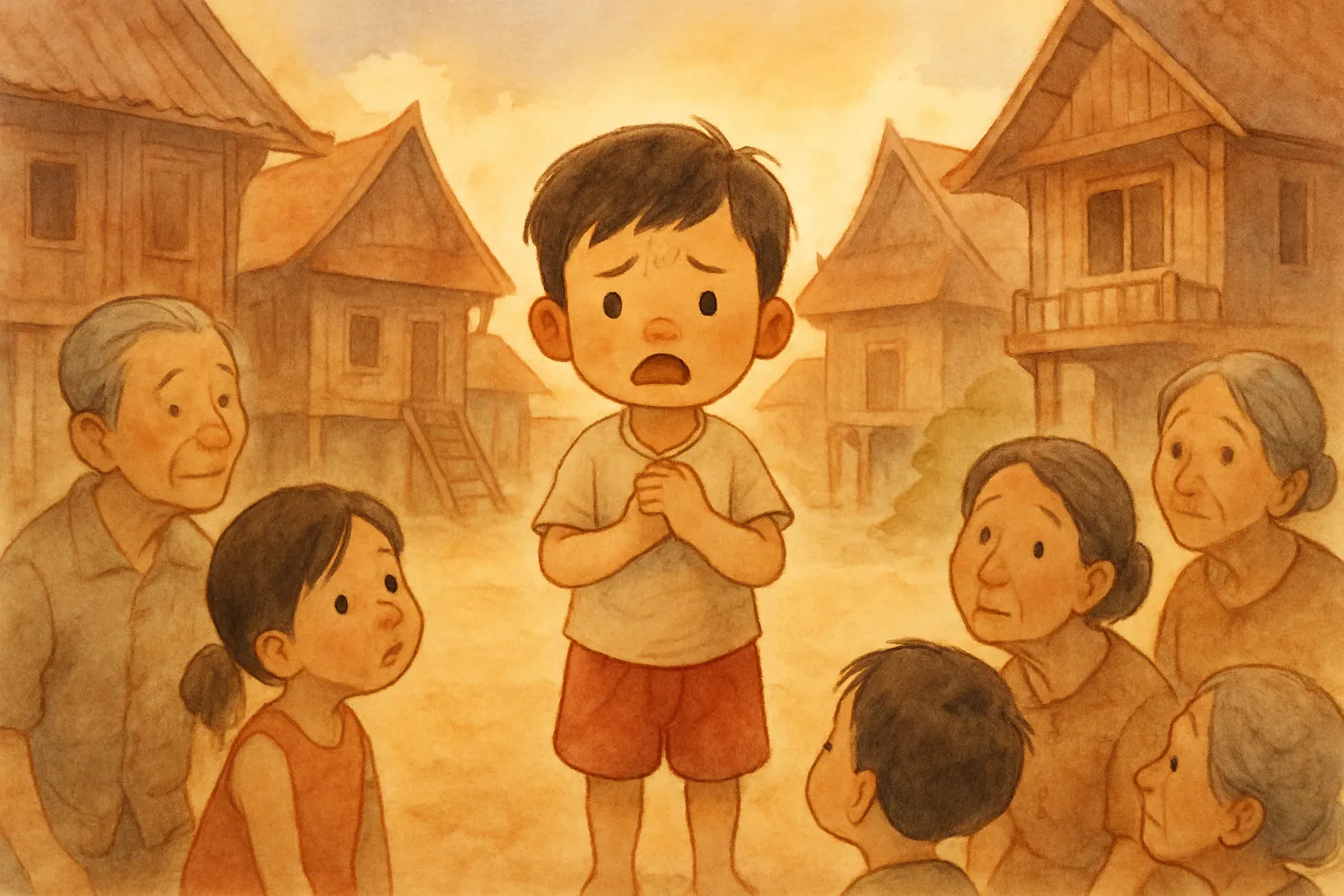
Once upon a time, there was a small village called Never-Wrong Village.
The people there believed that saying sorry meant admitting defeat. So no matter what happened, everyone always found a reason to explain why they were right.
When the carpenter missed a nail and hurt his neighbor, he said, “Well, you shouldn’t have been standing there.”
When a child ran into an old woman and knocked her down, she said, “Grandma was walking too slowly.”
When the market vendor weighed something incorrectly, she said, “The scale is broken, not my fault.”
At first, it seemed like nothing was wrong. But as time passed, the villagers began to feel uneasy. Everyone carried resentment in their hearts. No one smiled at each other anymore. No one helped anyone else.
Then came the day of the great flood.
Water poured into the village. Many homes were flooded, and the villagers had to work together to move their belongings to higher ground.
But everyone was stuck arguing about who had let the embankment break, who had failed to maintain the drainage pipes, who should be held responsible.
While they argued, the water kept rising higher and higher.
Until a boy named Jai shouted, “Stop! Right now the water is flooding everyone’s house. It doesn’t matter anymore whose fault it is. What matters is how we’re going to help each other.”
Everyone fell silent.
“I’m sorry I didn’t check the pipes sooner,” the village headman spoke up first, his voice trembling slightly.
Everyone looked at each other. No one laughed. No one looked down on him.
Then the next person spoke. “I’m sorry I didn’t help dig the drainage ditch last month.”
And another. “I’m sorry for arguing instead of pitching in to help.”
Each apology didn’t make the water go down, but it finally got everyone working together.
Within two hours, all the villagers were working side by side — hauling sand, blocking the water, helping the elderly to higher ground.
When the water finally receded, Never-Wrong Village quietly changed its name on its own. The villagers had come to understand that saying sorry wasn’t losing — it was the key that unlocked everyone’s ability to move forward together.
Moral: The word “sorry” doesn’t mean we’ve lost or that we’re weak — it means we value our relationships more than being right. Strong communities are built by people brave enough to admit their mistakes.